
Untie the Rope
Radical Reconciliation - or - Retribution?
“Do not repay anyone evil for evil. Be careful to do what is right…” Romans 12:17
He stood before an old blackboard. Behind him, two large hearts had been drawn in chalk. Between them leaned a crude wooden cross.
In front of him stood a man and a woman, several feet apart, their wrists tied to opposite ends of the same rope.
The man—a perpetrator and participant in the genocide.
The woman—a victim who had suffered its horrible atrocities.
The rope between them pulled taut—stretched by the same anguish, anger and distrust that strained the hearts of Rwanda’s people. Villagers watched from rough wooden benches inside the small brick church. Children peered through square openings in its unfinished walls.
The pastor pointed to the rope.
“If we do not untie this rope of rage that binds us and lay it at the foot of the cross, these hearts will simply switch and pass their hatred to future generations—and we we’ll just do this all over again.”
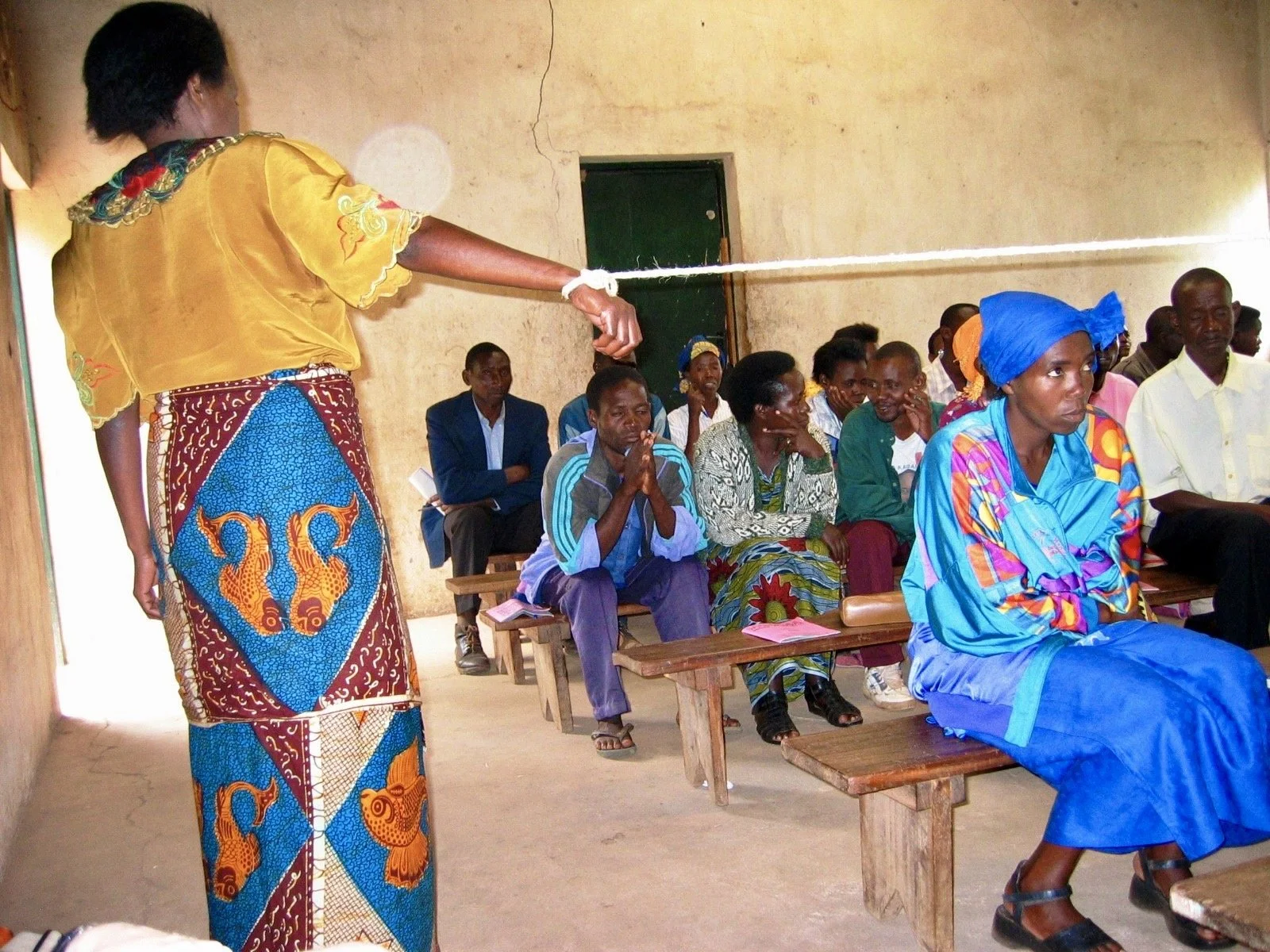
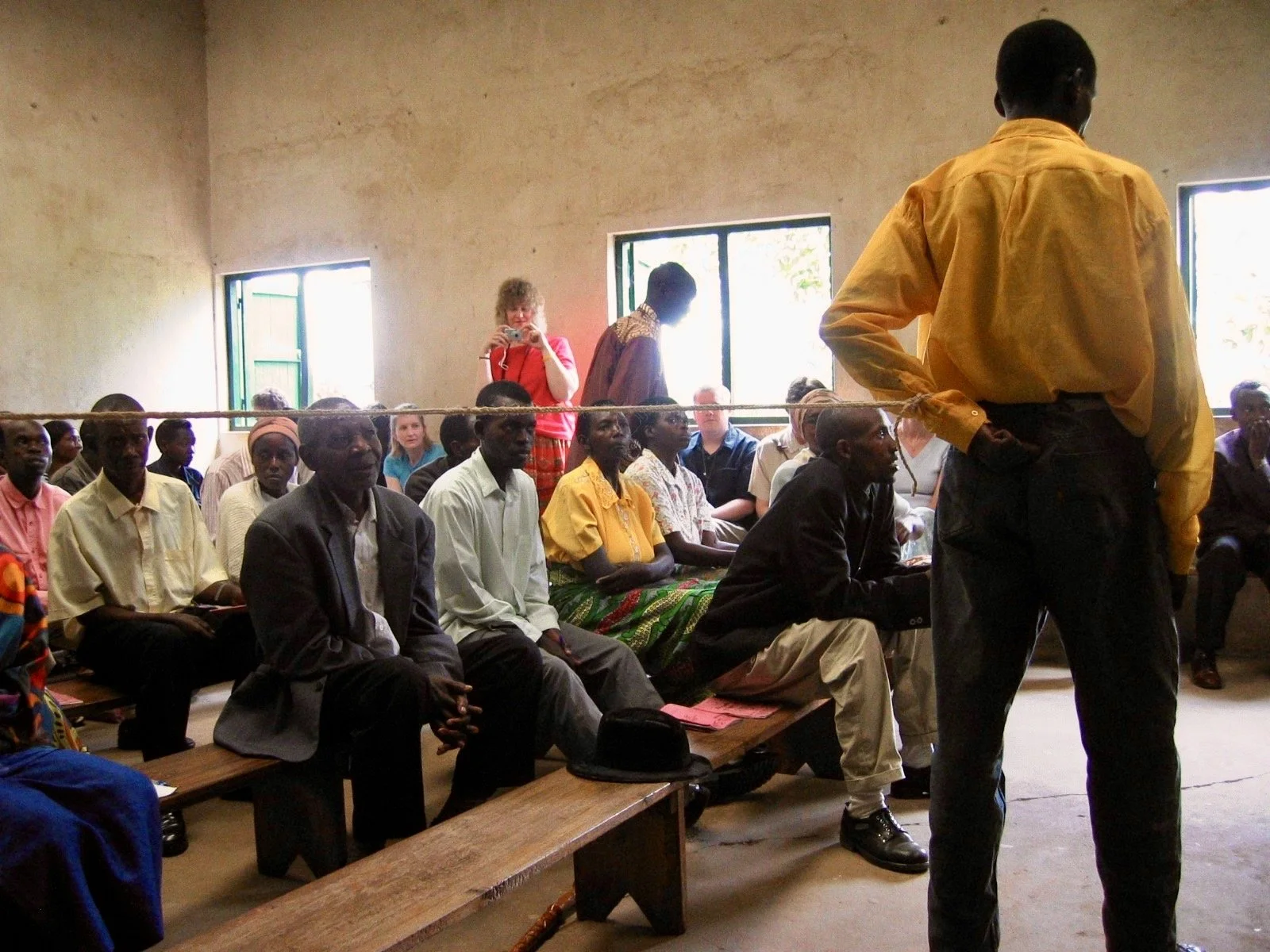
He untied their wrists.
The woman ran from the church, weeping. The man turned and sat on the front bench, his hand pressed against his forehead.
The pastor continued speaking of the freedom that begins with repentance and leads toward reconciliation.
Then the woman returned.
She sat beside the man and gently nudged his shoulder with hers. They turned toward each other and shared a brief, sad—but seemingly hopeful—smile.
I have never forgotten that moment.
During approximately 100 days in 1994, an estimated 800,000 men, women and children were slaughtered in what was termed a genocide against the Tutsi in Rwanda. Moderate Hutu and others who opposed the killing were also murdered. Inflamed by propaganda, fear, hatred and a ruthless struggle for power, neighbors, coworkers, former friends and even family members—armed largely with machetes—ruthlessly killed innocent people.
( Warning: The following photograph, taken inside a church preserved genocide memorial, contains human remains. )
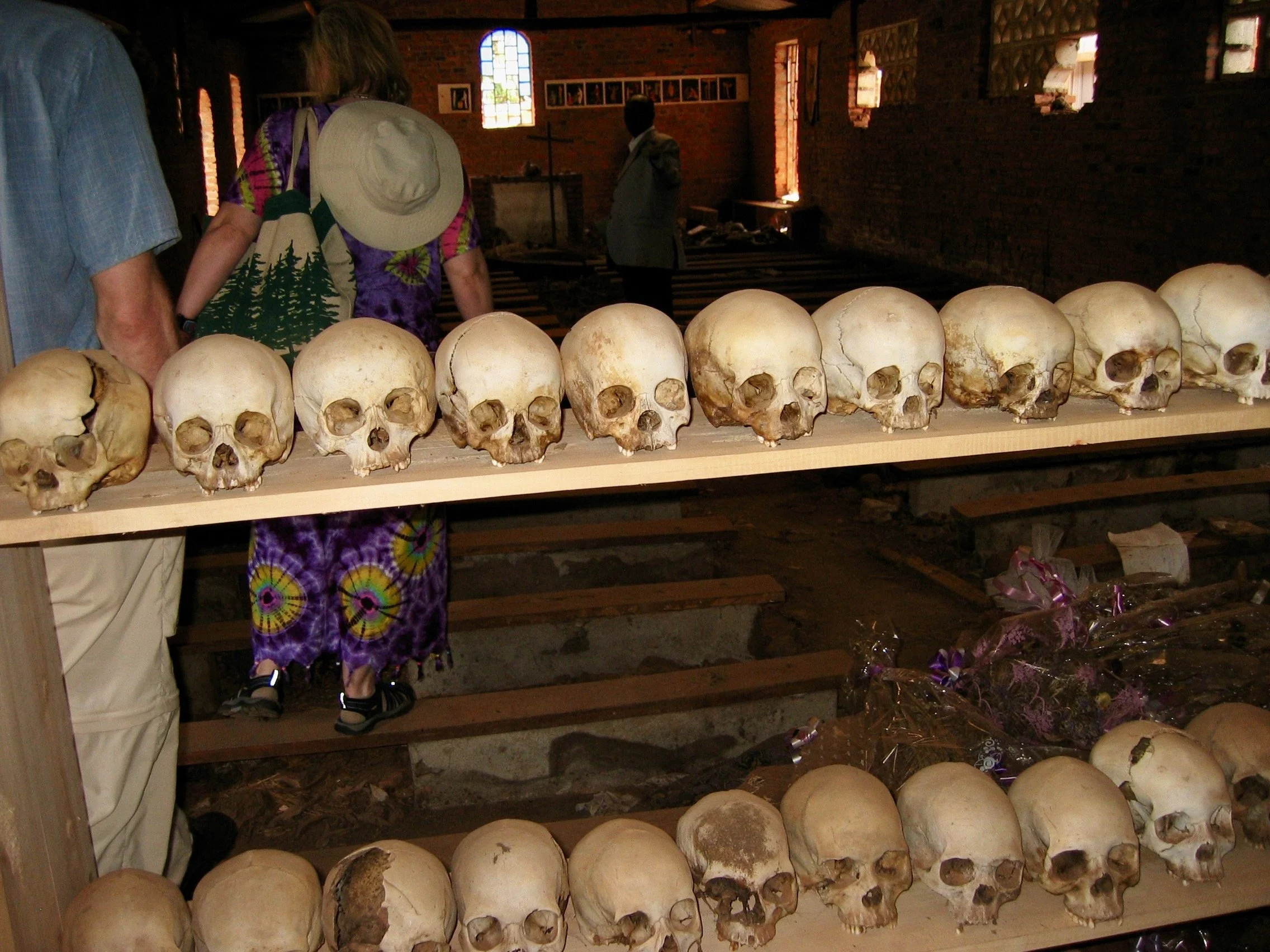
These remains of victims bear witness to the human costs of hatred and rage left unrestrained and unreconciled.
In the aftermath, Rwanda faced overflowing prisons and a shattered judicial system. The country turned to Gacaca—“justice on the grass”—a community justice process. Accused perpetrators appeared before respected community elders, chosen for their integrity. Survivors, neighbors and witnesses testified publicly about crimes committed within their communities.
Perpetrators who made truthful and complete confessions, named their victims and accomplices, pleaded guilty, repented and asked for forgiveness could receive reduced sentences, often through meaningful service to the people and communities they had harmed. Christ-like repentance, redemption, reconciliation.
In the reconciliation work inspired by one lady in our church, I witnessed pastors and churches come alongside genocidal killers within over-crowded prisons, and hurting, emotionally scarred victims within village communities; to be a presence, to inspire hope, healing, forgiveness, redemption and reconciliation through amazing, transforming grace, mercy and love of Jesus.
“Then you will know the truth, and the truth will set you free.” —John 8:32
In Rwanda, those words carried extraordinary meaning. Truth could free a heart, as well as open a prison door. But the truth Jesus inspired was a deeper freedom—true liberation of the soul:
“So if the Son sets you free, you will be free indeed.” —John 8:36
Truth does not erase responsibility. Forgiveness does not declare evil insignificant. Reconciliation does not deny the wounds of victims—it instills healing.
Truth shines light into darkness.
Accountability calls out evil.
Repentance renounces evil’s authority.
Grace inspires hope and restoration.
Only then can the rope of evil rage be removed.
I heard stories of former perpetrators returning to their communities, in humility, to help widows cultivate small plots of ground for food and income. Others helped mold and fire bricks from Rwanda’s red clay to rebuild homes destroyed during the genocide.
Their labor could never restore the lives taken. But it provided witness to God's work of repentance—the seed for restored relationship and renewed hope in community.
In Rwanda, I witnessed a glimpse of Isaiah’s promise: former enemies learning to live alongside one another in peace (Isaiah 11:6). I also witnessed Paul’s calling to every believer: reconciled to God through Christ, we are called to become His ambassadors, entrusted with His ministry of reconciliation (2 Corinthians 5:18–20).
“Do not be overcome by evil, but overcome evil with good.” —Romans 12:21
The terrible choice that confronted Rwanda still confronts every broken relationship, wounded family, divided church, fractured community and an angry nation:
Will we keep pulling against one another—tightening the rope of rage until it erupts and repeats in future generations?
Or will we leave it at the foot of the cross?
Rage and retribution - or - redemption and reconciliation?
The choice is radical.
So is the relentless, redemptive love of Jesus Christ.